How long does a new concrete driveway last?
A well-built concrete driveway often lasts several decades. A solid base, good drainage, proper joints and regular upkeep matter most. Frost, road salt and heavy loads can shorten its life if ignored.
Request an estimate today
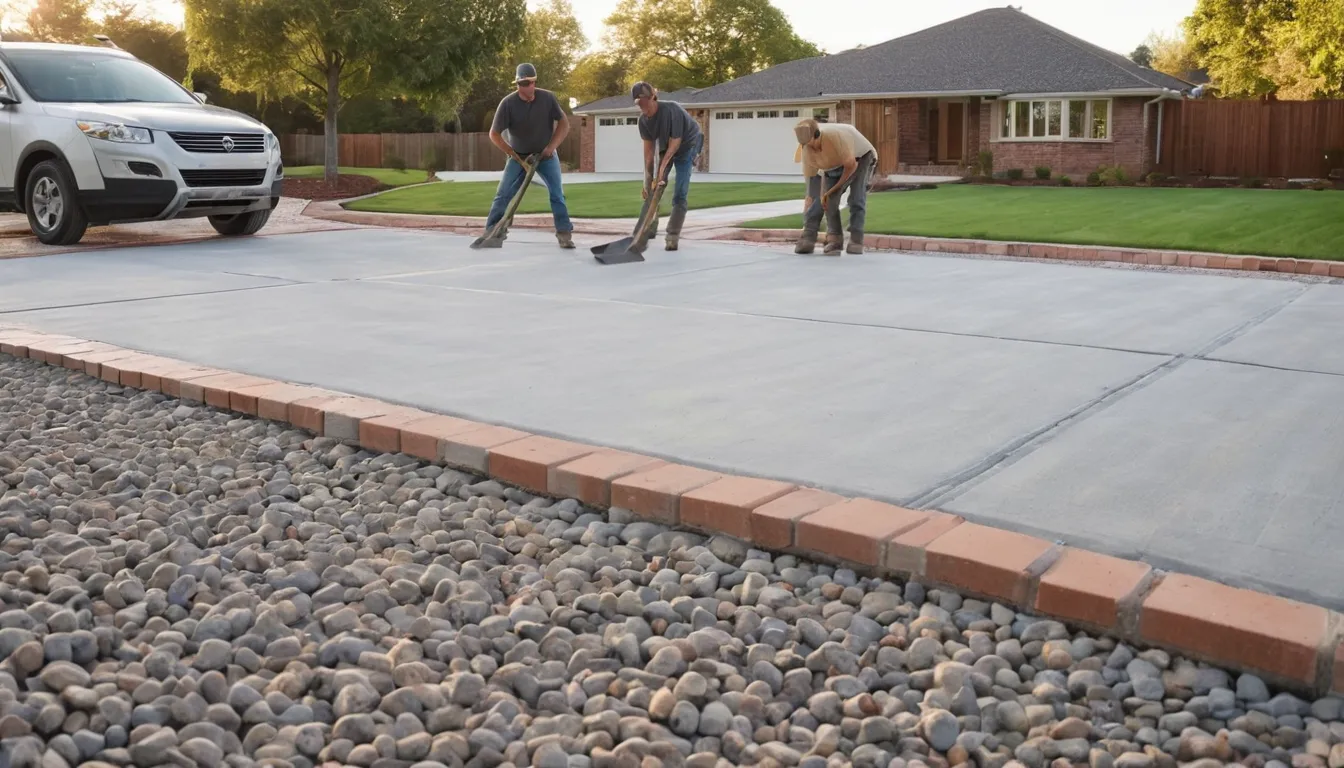
A driveway takes hard use. Cars, trucks and delivery vans roll over it daily, and frost, heat and storms test it every year. A weak base or poor drainage can ruin a new slab fast, so the plan matters as much as the pour.
Trainmatureclients Concrete is a referral service for homeowners in the Edwardsville area. We connect you with independent local providers who handle the actual work. This page gives you plain do and do not advice, a look at typical costs, and upkeep tips that protect the finished slab. Use it before you sign anything.
A failing driveway is more than an eyesore. Uneven slabs can trip people and damage tires. So decide early whether you need a patch or a full replacement.
Many homeowners start by searching for concrete driveway repair. Repair suits small, stable problems. A new driveway makes more sense when the damage is wide or keeps coming back.
Do mark any raised edge with bright tape so no one trips. Do not pour a thin topping over slabs that still move. It will crack again.
If the same crack returns after a patch, the soil below is likely shifting. A patch only hides the symptom. A provider can check the base and tell you if replacement is the safer path.
Cracks that run along the house wall are a different matter. Foundation repair experts should look at those first, before any new concrete flatwork goes in beside the house.
Most driveway mistakes happen before the truck arrives. Walk the site with each provider and ask about the points below.
The ground under the slab does most of the work. Providers usually remove the old concrete, level the soil and add compacted gravel. Do ask how deep the gravel will be. Do not accept a pour over soft, muddy or loose ground.
Many home driveways are about four inches thick. Heavy trucks may call for five or six. Steel bar or wire mesh helps hold small cracks tight. Control joints are planned cuts that guide where the slab cracks, so ask where they will go.
A broom finish gives grip when wet and suits sloped drives. A smooth trowel finish looks sharp but turns slick in rain and ice. Do pick grip over looks on any slope. Ask how colored or textured options hold up in winter.
Fresh concrete does not handle a hard freeze. Ice in the mix can damage the surface and weaken the slab. Providers often avoid pouring in deep cold or use blankets and heat. Frost also lifts soil, so a solid base and good drainage matter.
Hot, humid days make concrete set too fast, which can cause cracks. Early morning pours help. Sudden thunderstorms and hail can pit a fresh surface, so providers watch the forecast and cover the work.
Spring flooding can wash out a weak base. Slope the driveway away from the house, especially if you have a basement with a sump pump. Do not let downspouts empty onto the slab edge.
Spring and fall fill up with bookings. Ask early about provider availability.
The apron is the part where your driveway meets the street. It often sits in the public right of way. Many towns require a permit and set rules for width, thickness and slope.
Do ask who pulls the permit. Do not let work start before approval. Check for buried utility lines and any neighborhood rules too. Some towns inspect the forms before the pour.
Trainmatureclients Concrete does not pour concrete. Independent providers in our network do the work, and you choose who to hire. Request a callback to check provider availability for your timeline.
Keep foot traffic off for a day or two. Keep cars off for about a week, or as your provider says. Wait about a month before parking heavy trucks. Do not let a fresh slab dry out too fast in summer heat.
Small habits keep a driveway sound for decades.
Providers break up and haul away the failed concrete so the new slab starts on clean ground.
Soil is leveled and gravel is compacted to support weight and drain water away.
Edge forms, steel and planned joints shape the slab and help control cracking.
Concrete is placed, finished for grip, and protected while it hardens.
These are typical U.S. ranges. Prices vary by size, soil, access and finish, so always get a written quote from each provider.
| Item | Typical range | Notes |
|---|---|---|
| Plain broom-finish concrete | $6 – $12 per sq ft | Common for standard home driveways |
| Two-car driveway, complete | $3,000 – $7,000 | Depends on size and thickness |
| Old slab removal and haul-off | $1 – $3 per sq ft | Higher with thick or reinforced slabs |
| Gravel base preparation | $1 – $3 per sq ft | Poor soil may need more depth |
| Color or exposed aggregate upgrade | $2 – $6 more per sq ft | Adds look, not strength |
| Permit and street apron work | $100 – $1,500 | Varies widely by town |
Share your address, driveway size and goals through the estimate form.
Trainmatureclients Concrete connects you with independent providers who serve your part of the Edwardsville area.
Review base depth, thickness, finish and timing side by side before choosing.
Confirm permits and schedule with your provider, then follow the aftercare steps.
Clear advice helps you spot weak bids and avoid common mistakes before work starts.
You can compare local providers in our network and choose the one that suits you.
Guidance reflects frost, heat, storms and spring water, so timing choices make more sense.
Request an estimate and decide later. You stay in control of every choice.
Send a short request about your new driveway or patio. A local provider in our network will follow up. There is no obligation.
No obligationA well-built concrete driveway often lasts several decades. A solid base, good drainage, proper joints and regular upkeep matter most. Frost, road salt and heavy loads can shorten its life if ignored.
Most providers ask you to keep cars off for about seven days and heavy trucks off for about a month. Follow your provider's written instructions, since weather and the mix can change the timing.
Many towns require a permit, especially for the street apron, where the driveway meets the road. Rules differ locally. Ask your provider who handles it, and check with your town office before work begins.
Send a short request about your new driveway or patio. A local provider in our network will follow up. There is no obligation.
No obligation